

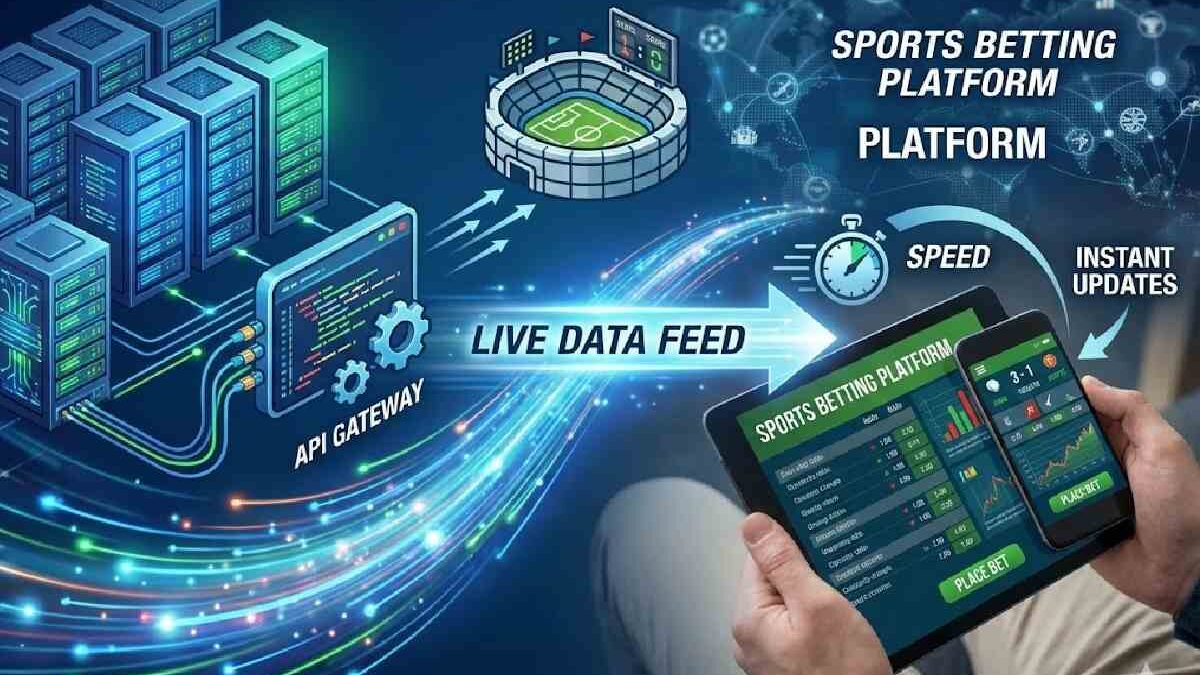
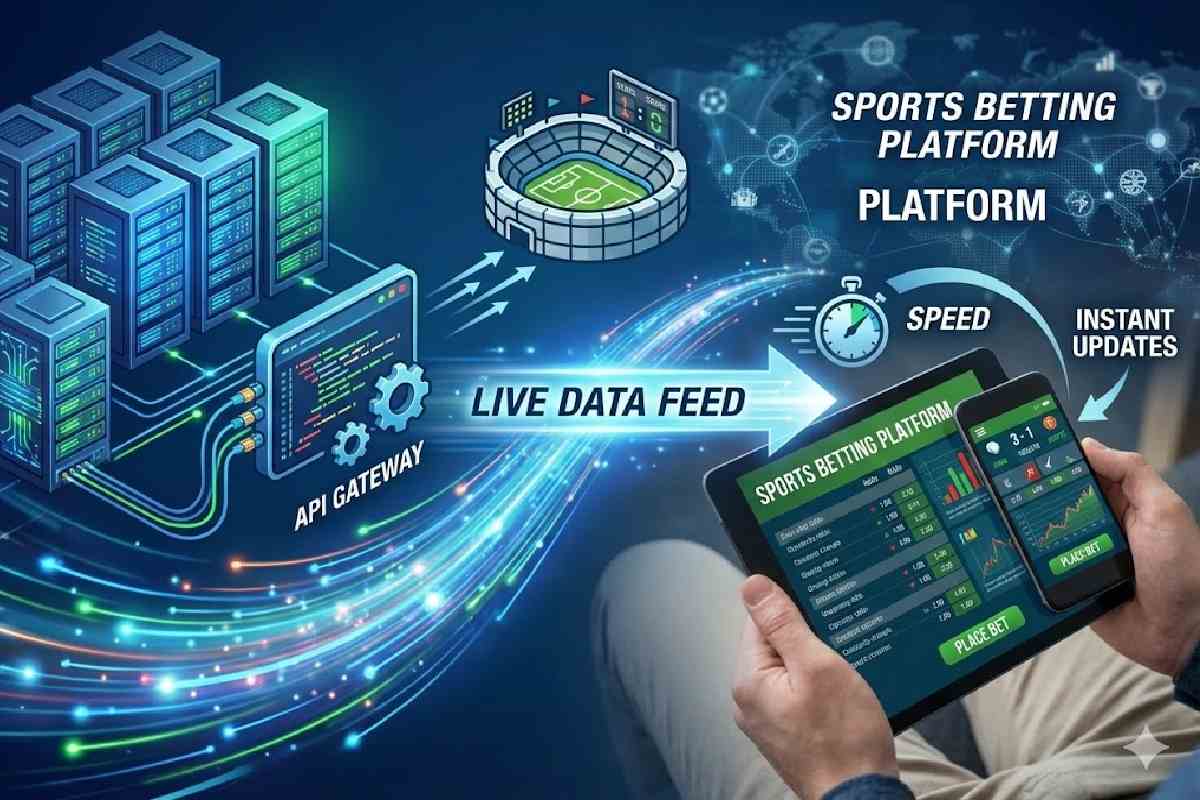
Sports betting platforms have become data-driven. The right information at the right time can affect any bet. Odds, player stats, live game events, injury reports, and even weather can influence the result. All of that comes from fast data feeds and APIs. Without these technologies, platforms couldn’t update markets live or handle in-play betting that changes second by second.
Here’s the thing: sites like sportsbet need real-time data to keep odds accurate and players engaged. When a goal is scored or a player is injured, the odds must reflect that instantly. That’s why companies like Betway focus on solid data infrastructure and fast feeds.
Table of Contents
What Are APIs and Data Feeds?
APIs (Application Programming Interfaces) are tools that let systems share data automatically. In sports betting, APIs connect data sources as live score feeds, to sportsbooks and apps. That means every time something changes in a game, the data flows straight into the system without someone typing it in manually.
How Data Feeds Work
Live data feeds push information from the field to the sportsbook platform. This includes:
- Scores and events as they happen
- Player and team statistics
- Betting odds and market changes
- Schedules and results
These feeds often run with very low delay (sometimes in milliseconds), so odds reflect reality almost instantly. This speed matters a lot for in-play betting, where every second counts.
An industry expert once said, “Live odds and rapid data feeds are the backbone of modern sports betting. Without speed, platforms lose market share fast.” That’s not just talk. Bettors today expect near-instant updates.
Why Speed Matters in Betting
Sports betting is a multi-billion-dollar industry that keeps growing.
And speed is critical:
- In-play markets: Bettors place bets during a live game. If the odds lag, bets won’t reflect real events.
- Market accuracy: Fast feeds mean the sportsbook can adjust odds based on the latest data.
- User trust: When odds and scores update instantly, people trust the platform more.
A data feed that updates every second or faster keeps a sportsbook responsive. If it updates every few seconds instead, that’s enough delay to affect outcomes and frustrate users.
How APIs Help Betting Platforms
APIs are what make fast data possible in betting platforms. Instead of human traders updating odds manually, the API sends data automatically to the platform’s backend. Think of it like a stream of information that flows nonstop during a match.
Pre-Match vs Live Odds
APIs support both:
- Pre-match odds – data before a game starts, like who will win or total points.
- Live odds – updated in real time as events unfold.
Platforms like Betway use APIs to ensure both types of markets stay current. If a star player gets injured mid-game, that info needs to get into the odds calculation instantly.
Real Use Cases That Matter
Let’s look at how live data affects real bets:
- Football match in South Africa: A red card changes the game. A live API updates the odds immediately.
- Tennis match in play: You want to bet on who wins the next point. That requires data pushed in milliseconds.
- Basketball fourth quarter: A last-minute lead change means odds shift fast. Slow data could misprice the market.
These aren’t hypothetical examples. They happen every day, and bettors expect the platform to respond immediately.
Expert Insight
A data analyst who works with sportsbooks explained it this way: “In-play betting data must be fast, accurate, and consistent. If even a small delay exists, it impacts profit margins and user retention.”
That sums up the economics behind live feeds. Faster data keeps bettors active and locks in more bets.
Limitations and Challenges
There are real challenges too:
- Delay: Even small ones can have a big impact on betting outcomes.
- Data quality: Poor or missing data lowers confidence.
- Infrastructure cost: Running real-time APIs and servers is expensive.
So here’s the honest part: running live feeds isn’t simple. Platforms must balance cost, performance, and accuracy. That’s where strong API partners and smart server setups make a difference.
The Future of Live Betting Data
The market is only getting bigger. As fans use mobile apps more, demand for live, precise updates grows too. Some of that future will come from:
- Better machine learning models for odds
- Faster global data feeds covering more sports
- More granular in-play markets, like next-point or next-play bets
In short, the sportsbooks that have the fastest, most reliable data will attract more players.
Final Thoughts
APIs and live data feeds aren’t just tech jargon. They are core parts of how modern sports betting works. Without them, sites couldn’t offer live odds, in-play markets, or rapid updates that customers expect every game day.
If you’re exploring sports betting, understanding how live data works gives you a clearer picture of why odds change and how bets are priced.
