


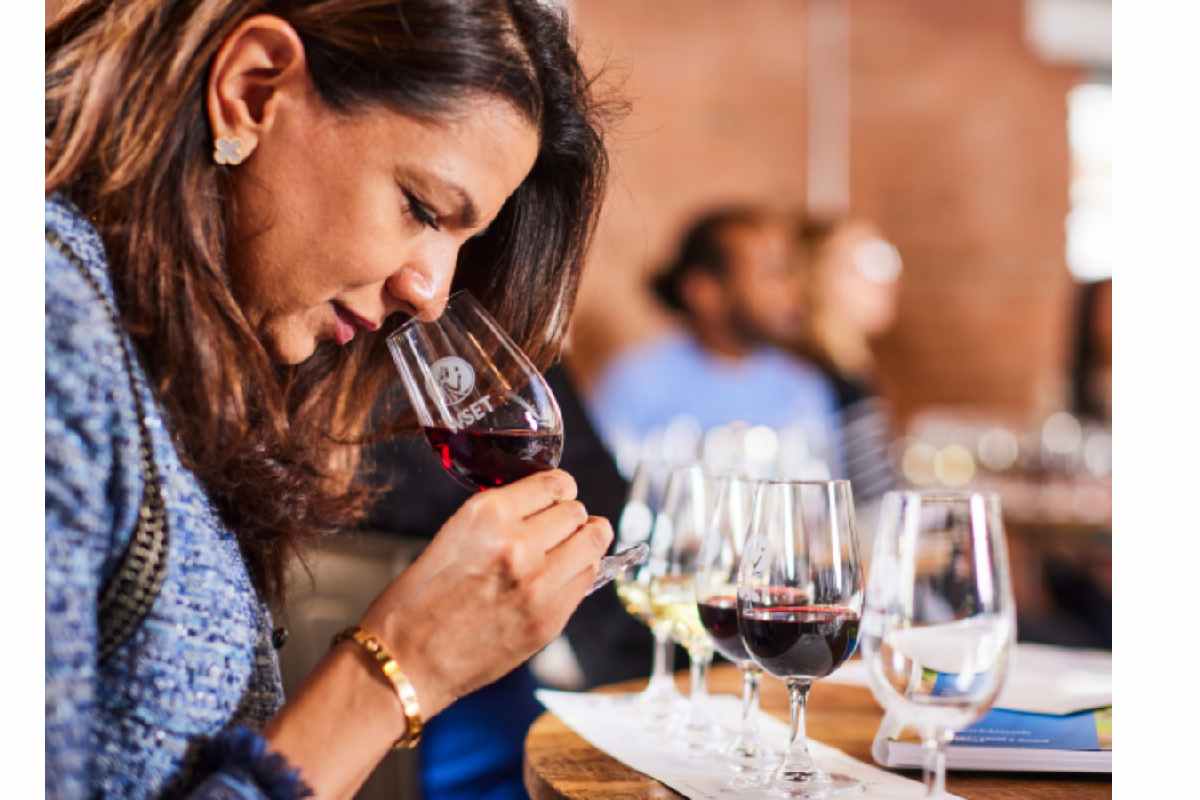
The sensory journey through red and white wines is as complex as it is delightful, with each type offering distinct taste and smell characteristics that can transform a dining experience. While reds are often recognized for their robust flavors, whites tend to be celebrated for their crisp and refreshing notes.
Distinguishing the unique qualities of each wine type enhances appreciation and pairing strategies. In this article, we delve into the nuances that define the taste and smell of red and white wine and offer tips on how to maximize your sensory enjoyment when sipping these elegant beverages.
Table of Contents
Exploring the Distinctive Taste Profiles of Red vs White Wine
The primary differentiation in taste between red and white wine stems from the winemaking process and the grape variety. Red wines typically present a fuller body and complex flavors such as berries, spices, or earthy tones, attributed to the longer fermentation process with skin contact.
White wines, in contrast, offer a lighter, crisper taste with more acidic profiles and fruitier notes like citrus, green apple, and flowers. The absence of grape skins during fermentation prevents the tannins from influencing the taste, resulting in a smoother sip. taste and smell of red and white wine
To fully appreciate these taste profiles, pay attention to the balance of sweetness, acidity, and tannins when sampling wines. Begin with lighter-bodied whites and progress to full-bodied reds to understand the spectrum of flavors that each category encompasses.
Aromatic Nuances: How Smell Influences Wine Experience
The aroma, or ‘nose’, of a wine plays a crucial role in our perception of taste. Wine experts suggest that up to 80% of a wine’s flavor is discerned through its smell, making the olfactory experience integral to wine evaluation.
Red wines typically carry deeper, more intense aromas with hints of dark fruits, tobacco, or oak, influenced by the aging process. White wines often exude fresher, brighter accents of floral, fruit, or mineral tones due to their different aging conditions and grape varieties. The array of aromatic compounds found in wines can be a telltale sign of quality and character.
To enhance your wine-smelling experience, gently swirl the wine to release its volatile compounds, then take a deep inhale before tasting. Not only does this action prepare your palate, but it also allows you to identify complex layers of aromas and potentially improve your ability to identify flavors later on.
The Science Behind Taste: Understanding Wine Flavors
The complexity of wine flavors arises from a combination of factors including grape varieties, soil composition, climate, and fermentation processes. These elements together create a unique flavor profile for each bottle of wine.
Reds typically boast flavors from a richer palette due to the presence of anthocyanins and tannins derived from the grape skins, which are absent in the making of most white wines. Both red and white wines may undergo malolactic fermentation which converts sharper malic acid into creamier lactic acid, adding another layer of flavor complexity.
For enthusiasts looking to deepen their understanding, investing time into learning about vinicultural practices and regional characteristics can provide invaluable insights into why certain wines taste the way they do. This knowledge not only heightens the tasting experience but also assists in making more informed choices when selecting wines.
Enhancing Your Wine Tasting Skills: Identifying Aromas and Flavors
Developing a keen sense of smell and taste for wine involves practice and attention to detail. Familiarizing yourself with the common aromatic and flavor profiles of various wines is a foundational step.
For red wines, identifying scents of black currant, cherry, or chocolate, for instance, and for whites, recognizing floral, herbal, or tropical fruit notes contribute to a nuanced appreciation. Additionally, discernment of body, acidity, and sweetness further builds your tasting expertise.
A practical way to refine these skills is through regular tasting sessions, using a tasting wheel or journaling your impressions. Joining wine clubs or attending wine appreciation classes can also offer structured learning and the opportunity to compare perceptions with fellow wine enthusiasts.
Ultimately, the distinction between the tastes and smells of red and white wines lies in their composition and the subjective experience they evoke in each individual. Enhancing your sensory skills not only enriches your tasting sessions but also allows for deeper engagement with the world of wines. Whether you are a casual drinker or a connoisseur, understanding these differences can lead to a more satisfying and educated enjoyment of wine.
