

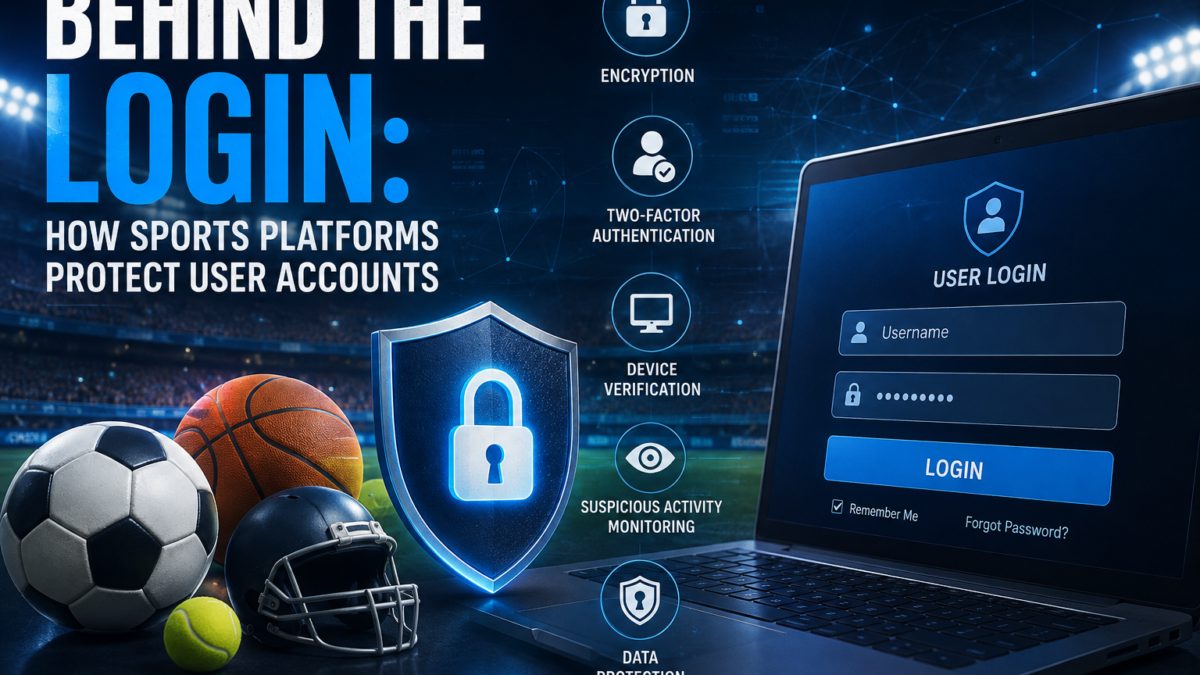
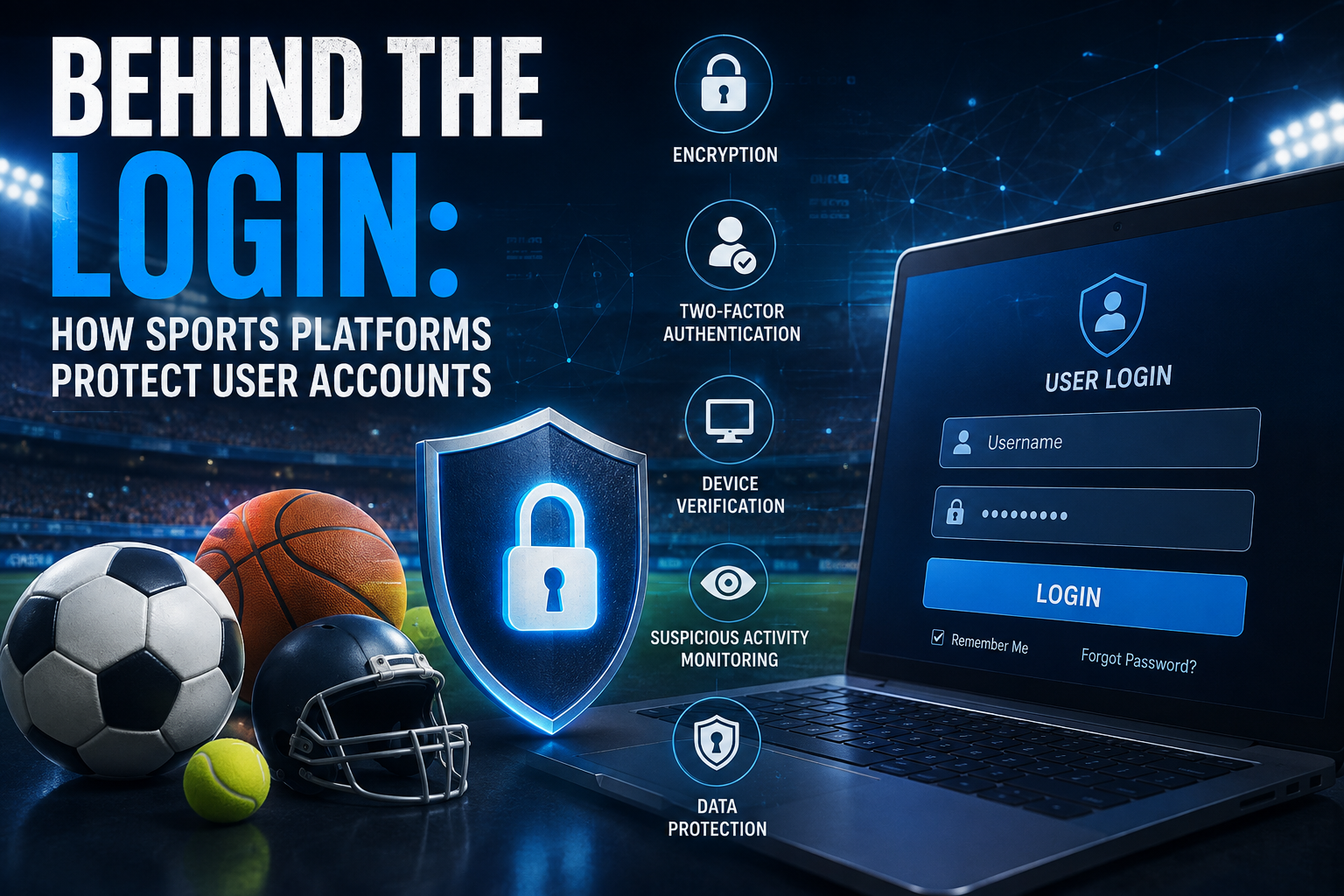
A login page looks simple. Enter an email address, type a password, and press a button. But a betting platform has to make several security checks before it allows a user into an account.
That protection matters because an account may contain personal details, payment records, and an available balance. Online betting platforms also need to block automated attacks without making access difficult for real users.
For someone visiting Betway through the sportsbet page, the login is the first security checkpoint. The same applies across sports betting services. A secure platform has to check who is trying to enter, what device they are using, and whether the attempt looks normal.
Table of Contents
Passwords Are Only the First Step
Strong passwords reduce basic risks
A password is still the main form of account protection, but it should not work alone. Short and common passwords are easier to guess. Reusing the same password across several services is another risk. If one service suffers a data leak, attackers may try the stolen details elsewhere.
The current security recommendation is a passwords of at least 15 characters. A long passphrase can be easier to remember than a short mix of random symbols. Platforms should also block known or commonly used passwords.
The password should never be stored as readable text. It must be processed with secure hashing and a unique salt. This means that even if account data is stolen, the original passwords are not immediately exposed.
Extra Checks Stop Stolen Passwords
A second factor creates another barrier
Multi-factor authentication asks the user to provide more than a password. This could be a temporary code, an approval through an app, or a passkey connected to a trusted device.
So even if an attacker steals the password for a betting account, that may not be enough to gain access. The attacker would also need control of the second factor.
Passkeys offer stronger protection against fake login pages because they are linked to the correct online service. Security guidance from 2024 explains how properly set up passkeys can provide phishing-resistant authentication. But platforms still need a safe recovery process for users who lose a phone or replace a device.
Platforms Check More Than Login Details
Unusual activity can trigger a warning
Account security also happens in the background. A platform may compare a login with the user’s normal activity. A new device, an unexpected location, or several failed password attempts can raise the risk level.
One unusual signal does not always mean an attack. People travel, change phones, and use different internet connections. But several warning signs together may lead to an extra identity check or a temporary block.
This matters when someone wants to place an online bet quickly. The extra step can feel inconvenient, but it may stop another person from taking control of the account. A clear message should explain what happened and what the user needs to do next.
Sessions Need Protection Too
Security continues after a successful login
The risk does not end when the correct password is entered. Platforms must also protect the active session between the user’s device and the service.
Secure connections encrypt the information moving between them. Session tokens confirm that the user has already logged in, but those tokens need limits. They should expire after a set time and become invalid after a password change or manual logout.
A betting service may also request another check before a sensitive action. Changing payment details and updating personal information, or requesting a withdrawal carry more risk than viewing a match. Asking the user to confirm their identity again can reduce the chance of account misuse.
Current authentication standards recommend periodic checks and inactivity timeouts. The exact timing depends on the risk attached to the account and the action being taken.
Recovery Can Be the Weakest Point
Support teams must confirm ownership
Attackers do not always target the login form. They may use the password recovery process instead. If resetting an account is too easy, strong login security loses much of its value.
A secure recovery process should confirm account ownership without depending on simple personal questions. Email access, trusted devices, recovery codes, and additional identity checks may all play a part.
Users also have a role. They should use a unique password, turn on extra protection when available, and never share login codes. Messages asking for urgent account access should be treated carefully.
No security system can remove every risk. But layers of protection make an attack harder. For a sports betting account, the best defence is not one feature. It is the combination of secure passwords, extra login checks, activity monitoring, protected sessions, and careful recovery.
